Asian Imported
News
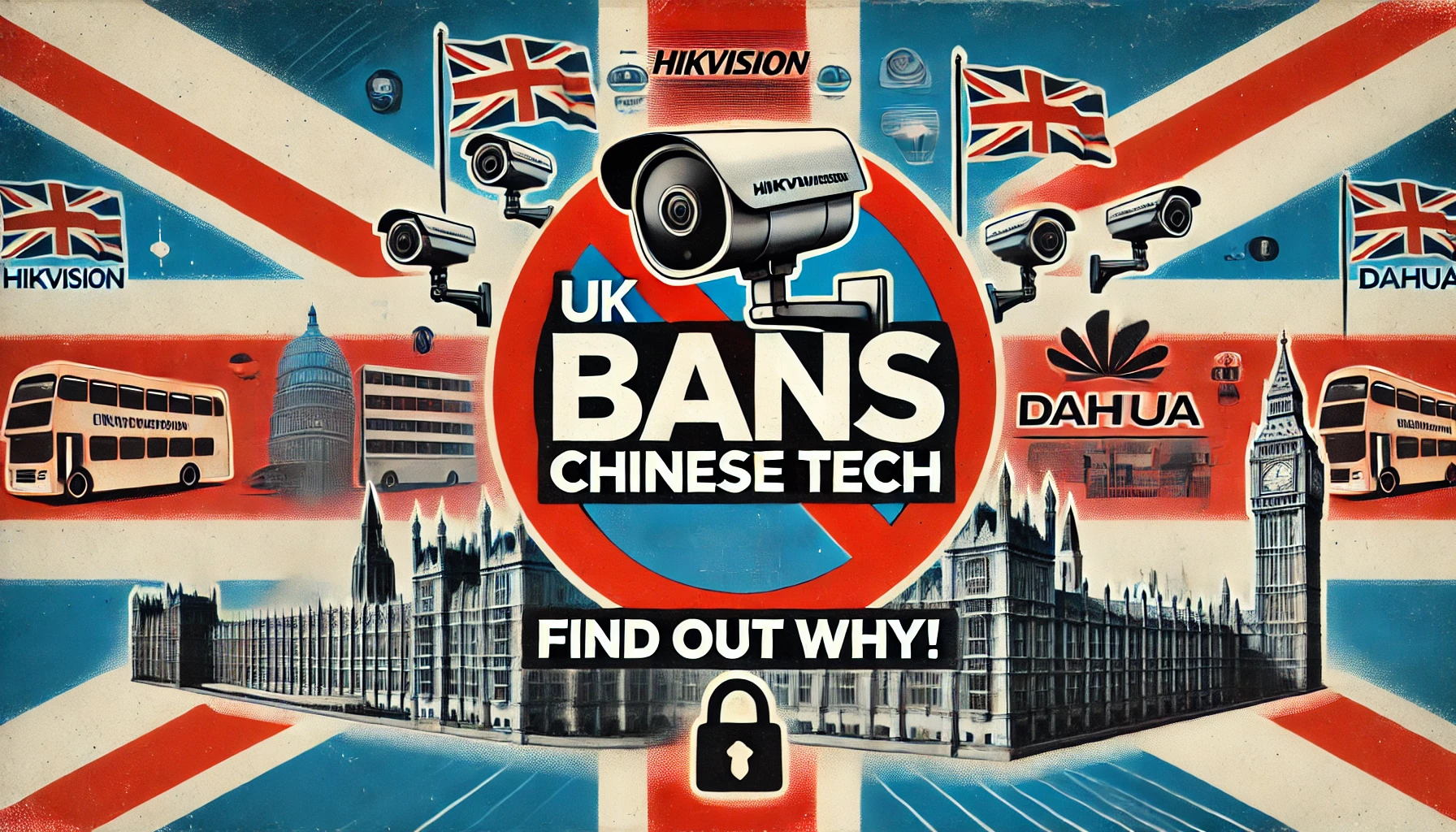
Major UK Government Departments Warned Against Chinese Surveillance Equipment in Critical Areas Ban on Chinese Surveillance Technologies Preemptive Actions by DHSC China’s National Intelligence Law Global Concerns Over Data Sharing Hikvision’s Response Market Dominance and Global Bans US Blacklisting of Chinese Surveillance Firms China’s Response to US Allegations European Parliament’s Ban Hikvision’s Human Rights Inquiry Calls for an Ethical Ban Support for Expanded Ban Additional Restrictions and Recommendations Providing More Options for Equipment Purchases Conclusion /*! elementor - v3.22.0 - 26-06-2024 */ .elementor-widget-text-editor.elementor-drop-cap-view-stacked .elementor-drop-cap{background-color:#69727d;color:#fff}.elementor-widget-text-editor.elementor-drop-cap-view-framed .elementor-drop-cap{color:#69727d;border:3px solid;background-color:transparent}.elementor-widget-text-editor:not(.elementor-drop-cap-view-default) .elementor-drop-cap{margin-top:8px}.elementor-widget-text-editor:not(.elementor-drop-cap-view-default) .elementor-drop-cap-letter{width:1em;height:1em}.elementor-widget-text-editor .elementor-drop-cap{float:left;text-align:center;line-height:1;font-size:50px}.elementor-widget-text-editor .elementor-drop-cap-letter{display:inline-block} Major UK Government Departments Warned Against Chinese Surveillance Equipment in Critical Areas The UK Cabinet Office has issued a warning to major government departments against using Chinese surveillance equipment in “critical areas” due to security concerns. This decision marks a significant move in the ongoing effort to secure national infrastructure from potential foreign threats. The directive underscores the increasing apprehension regarding the potential for espionage and data breaches through state-linked technologies. Ban on Chinese Surveillance Technologies On Thursday, Cabinet Office minister Oliver Dowden announced a ban on visual surveillance technologies produced by corporations subject to China’s National Intelligence Law. This law mandates that Chinese companies must cooperate with state intelligence services, raising fears that surveillance equipment could be used for espionage. Dowden stated that a comprehensive security review had assessed “the threat to the UK and the increasing strength and interconnectedness of these systems” before making the decision. This ban reflects a growing global consensus on the risks posed by technologies from countries with conflicting strategic interests. Preemptive Actions by DHSC The Department of Health and Social Care (DHSC) had already taken preemptive measures by ceasing the purchase of Hikvision cameras months before the official prohibition. This proactive step indicates the level of concern within UK government circles about the potential security risks associated with these surveillance systems. DHSC officials informed legislators that the agency had employed 82 Hikvision cameras before the ban in April, highlighting the widespread use of these technologies prior to the security review. The early action by DHSC demonstrates a commitment to mitigating risks even before formal directives are issued. China’s National Intelligence Law The 2017 National Intelligence Law in China requires Chinese companies to assist state intelligence operations, a provision that has sparked widespread concern internationally. While no specific instances involving foreign entities have been reported, the law’s broad scope and lack of transparency are troubling. It prohibits reporting on particular incidents, thereby preventing a clear understanding of how the law is implemented. This lack of transparency fuels fears that Chinese surveillance equipment could be used for espionage or other covert activities, compromising the security of nations using these technologies. Global Concerns Over Data Sharing Yale Law School senior lecturer Samm Sacks highlighted the global concerns over data sharing between Chinese corporations and the state. The absence of a clear boundary between these entities raises significant alarm among governments worldwide. Sacks pointed out that Chinese companies often resist government and security agency demands for data access, but they do not publicly acknowledge these efforts to avoid appearing confrontational. This murky relationship between corporate and state interests in China exacerbates fears that sensitive data collected through surveillance could be shared with Beijing, undermining national security. Hikvision’s Response Hikvision, one of the companies affected by the ban, has strongly disputed claims that its equipment poses national security risks. The company asserts that it does not manage end-user databases, share data, or provide UK cloud storage, aiming to reassure stakeholders of its commitment to data privacy. Hikvision plans to engage with UK ministries to clarify the decision and address any concerns. The company emphasizes that it adheres to international security standards and regulations, seeking to maintain its presence in global markets despite mounting restrictions. Market Dominance and Global Bans Hikvision and Dahua dominate the global video surveillance market, but their rapid expansion has been met with increasing scrutiny. Due to both security and human rights concerns, numerous governments have restricted or outright banned their use. The global video surveillance market has seen a surge in demand, driven by advancements in AI and big data analytics. However, the pervasive influence of Chinese surveillance technology has led to widespread concerns about potential abuses and the security implications of widespread deployment. US Blacklisting of Chinese Surveillance Firms In 2019, the United States took a significant stance by blacklisting Hikvision, Dahua, and other Chinese AI surveillance firms. The move was part of broader efforts to address human rights abuses, specifically the persecution, arbitrary detention, and high-tech surveillance of Uyghurs and other Muslim minorities in Xinjiang. The US government cited these companies’ involvement in facilitating these abuses through their technology as the primary reason for the blacklisting. This action underscores the serious ethical and security concerns associated with Chinese surveillance equipment and reflects the US’s commitment to addressing human rights violations on a global scale. China’s Response to US Allegations China’s foreign ministry responded vehemently to the US blacklisting, accusing the US of using allegations about Xinjiang to justify interference in its domestic affairs. The Chinese government has consistently denied any wrongdoing in Xinjiang, framing its actions as necessary counter-terrorism and de-radicalization measures. This rhetoric is part of a broader narrative aimed at deflecting international criticism and maintaining a positive image of China’s internal policies. The tension between the US and China over this issue highlights the geopolitical dimensions of technology and human rights. European Parliament’s Ban Following similar concerns about human rights abuses in Xinjiang, the European Parliament took a decisive step by banning the use of Hikvision’s thermal cameras used to check visitors’ body temperatures. This ban, implemented last year, was part of a broader effort to distance European institutions from technology linked to human rights violations. The European Parliament’s action reflects a growing awareness and responsiveness to ethical concerns in technology procurement, setting a precedent for other institutions to follow. Hikvision’s Human Rights Inquiry Hikvision has maintained that it does not monitor its devices after installation and that its internal investigation found no intentional human rights violations in Xinjiang. The company emphasizes its commitment to ethical practices and compliance with international standards. Hikvision’s stance is part of a broader strategy to mitigate reputational damage and maintain its position in the global market. Despite these assertions, the lingering concerns and ongoing scrutiny from international bodies continue to challenge the company’s operations and market presence. Calls for an Ethical Ban In the UK, concerns over Hikvision and Dahua’s ties to Xinjiang led 67 parliamentarians to call for an ethical ban on their sales earlier this year. This call reflects a growing consensus among policymakers about the need to prioritize human rights in technology procurement decisions. The parliamentarians’ demand for an ethical ban underscores the increasing importance of aligning procurement practices with ethical standards, particularly in the context of global supply chains and international trade. Support for Expanded Ban Alicia Kearns, the Tory chairwoman of the House of Commons foreign affairs select committee, has been a vocal supporter of Dowden’s ban. She has called for its extension to cover all public organizations and local authorities’ purchases from companies linked to Xinjiang. Kearns argues that a comprehensive approach is necessary to fully address the security and ethical concerns associated with Chinese surveillance technology. Her advocacy reflects a broader push within the UK government to ensure that all public procurement practices align with national security and ethical standards. Additional Restrictions and Recommendations Dowden’s rule also includes restrictions on connecting Chinese equipment to critical networks and recommends removing existing equipment. The rule proposes expanding restrictions to non-sensitive sectors as well, reflecting a comprehensive approach to mitigating security risks. These additional measures aim to safeguard not only critical infrastructure but also broader public sector operations from potential vulnerabilities. The recommendations for removing existing equipment underline the importance of proactive measures in ensuring long-term security. Providing More Options for Equipment Purchases Kearns has suggested that ministries should be provided with more options for equipment purchases to mitigate the impact of the ban. By diversifying suppliers and encouraging the use of trusted alternatives, the UK government can ensure that security needs are met without compromising on ethical standards. This approach also helps to foster a more competitive market, potentially driving innovation and improvements in surveillance technology. Providing more options can also help public organizations transition away from Chinese technology more smoothly, ensuring continuity and reliability in their operations. Conclusion The UK government’s decision to ban Chinese surveillance equipment from critical areas is a significant step in safeguarding national security and addressing ethical concerns. This move reflects a broader global trend of scrutinizing technologies linked to state intelligence laws and human rights abuses. The actions taken by the Department of Health and Social Care, the European Parliament, and the calls from UK parliamentarians highlight a growing commitment to ensuring that technology procurement aligns with both security and ethical standards. As the UK and other countries continue to navigate these complex issues, the emphasis on transparency, ethical practices, and diversification of suppliers will be crucial in maintaining the integrity and security of national infrastructure. Post ID: 378
Asian Imported
News
Proudly powered by WordPress | Theme: Newsup by Themeansar .